Extreme Ice Survey
FOUNDER AND EXECUTIVE DIRECTOR, JAMES BALOG RSSTwitterFacebook Instagram
  • Home
  • About EIS
  • Photography
    • Greenland
    • Iceland
    • Alps
    • Alaska
    • Rocky Mountains
    • Bolivia
    • Nepal
    • EIS in Action
    • “ICE” Fine Art Prints
  • EIS News
  • EIS Team
  • Glacier Facts
    • Why do glaciers matter?
    • What is a glacier?
    • How does a glacier form?
    • Types of Glaciers (and how they behave)
    • What story does ice tell?
    • Other Resources
  • Take Action
  • EIS store
  • Contact
  • Donate

Alaska

[Show as slideshow]
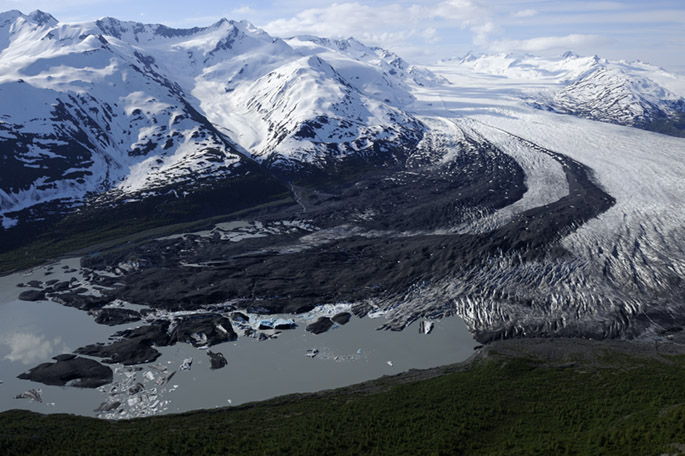
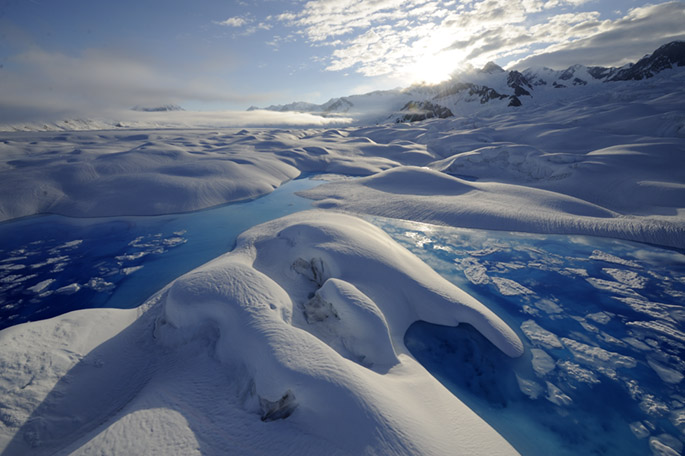
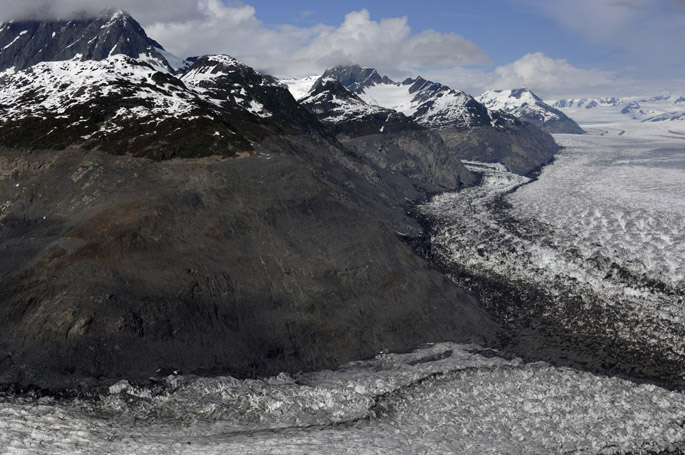
6.13.08 | Whiteout Glacier, Alaska, June 13, 2008
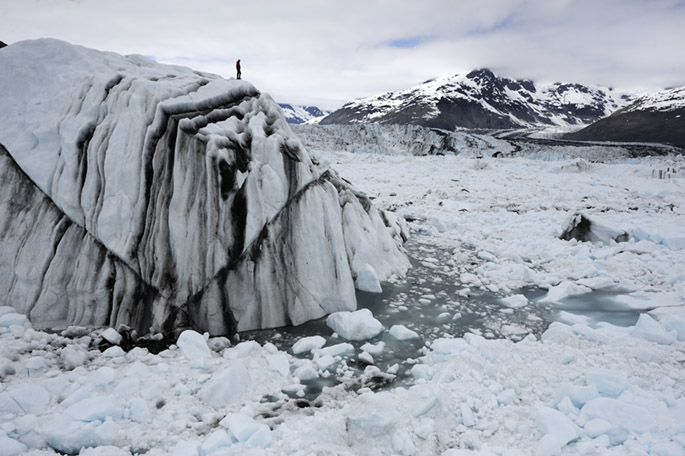
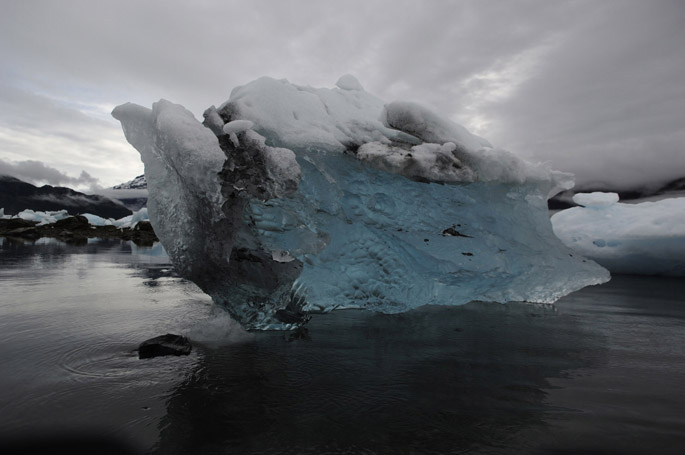
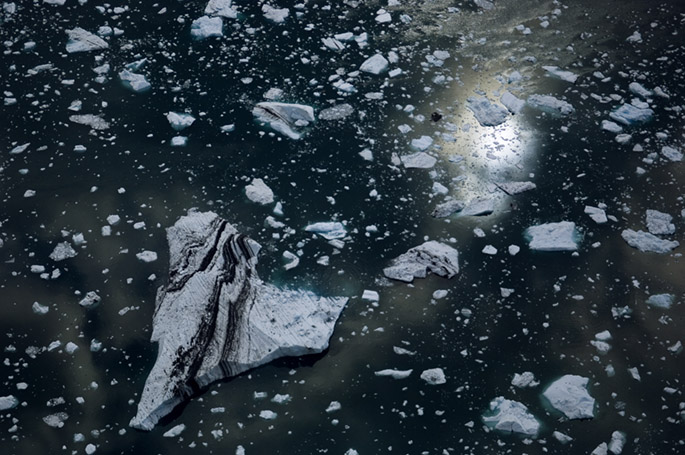
6.19.08 |  on iceberg, Columbia Bay, Alaska; June 19, 2008
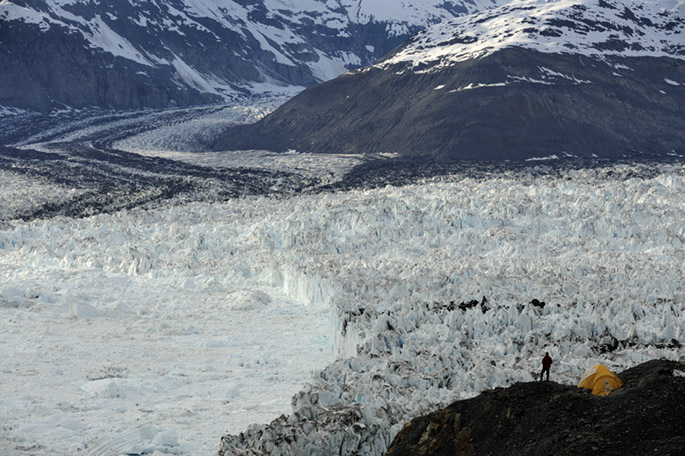
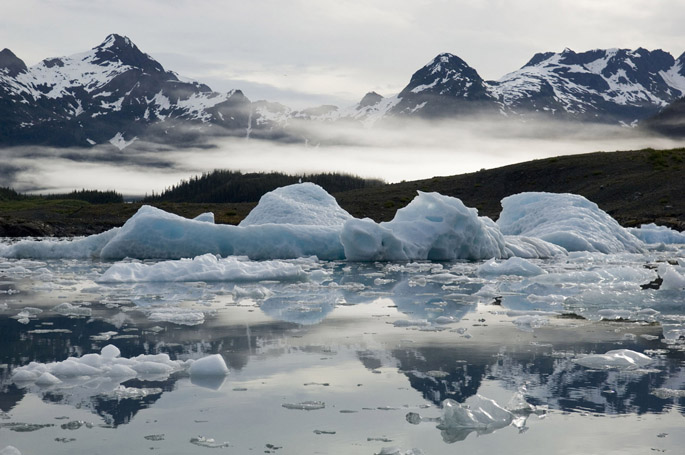
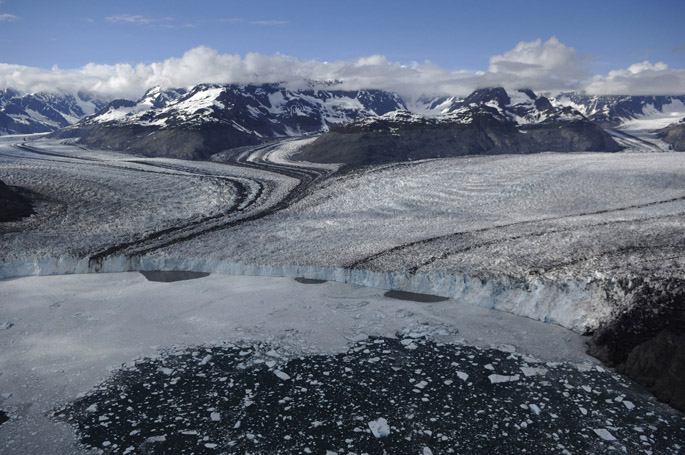
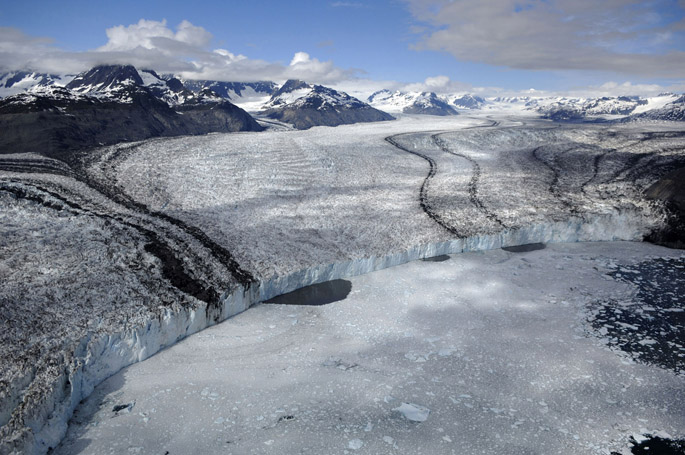
6.20.08 | Calving face of Columbia Glacier, Columbia Bay, Alaska, June 20, 2008
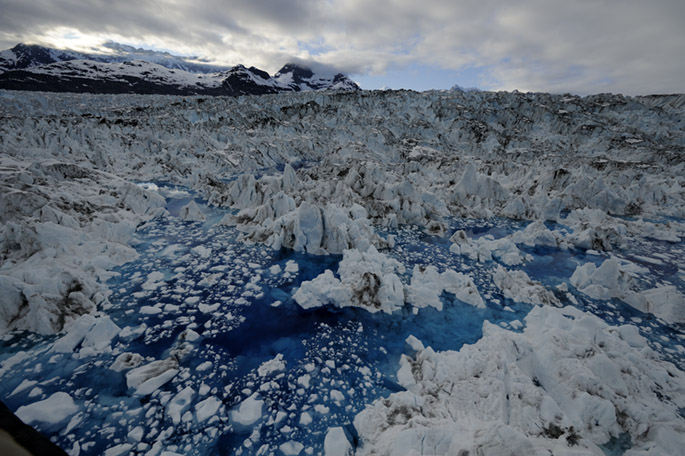
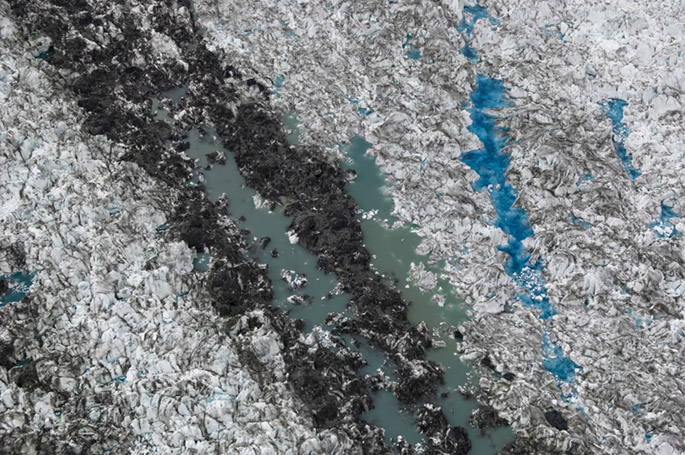
6.20.08 | Meltwater on surface of Columbia Glacier, Columbia Bay, Alaska, June 20, 2008
6.16.06 | Columbia Glacier calves icebergs into Columbia Bay
6.17.06 | Columbia Glacier
6.22.06 | Columbia Glacier
6.23.06 | Trimline showing the deflation of the ice mass of the Columbia Glacier since 1984.
6.23.06 | Columbia Glacier
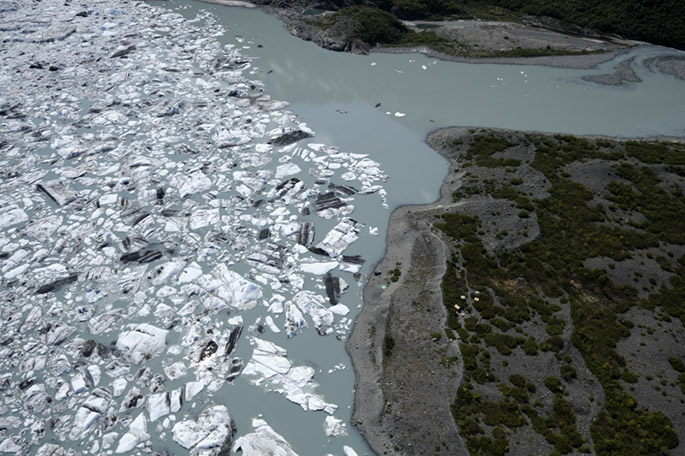
6.23.06 | Columbia Glacier calves icebergs into Columbia Bay west of Valdez, AK. since 1984, the glacier has retreated 16 km. This retreat is caused partly by global warming but mostly but dynamics of the glacier's drainage processes. When tidewater glaciers like this one reach an unstable phase, vast amounts of ice can be dumped very rapidly into the sea--and such processes are analogous to what will happen to the tidewater outlet glaciers of Greenland and Antarctica should those ice sheets reach a phase of instability caused by global warming. The ice shown in the bergs was deposited in the glacier centuries if not millennia ago, but is broken up and turned into seawater in a matter of years or decades once a recessional phase of the glacier begins.
  • Photo Galleries

    • Greenland
    • Iceland
    • Alps
    • Alaska
    • Rocky Mountains
    • Bolivia
    • Nepal
    • EIS in Action
    • “ICE” Fine Art Prints

  • Extreme Ice Survey is in the process of obtaining 501(c)3 non-profit status. In the meantime, we have been generously sponsored by The Wild Foundation. Click the button above to make a tax-deductible donation.

  • Home
  • About EIS
  • EIS Store
  • Take Action
  • Contact
  • Donate
Extreme Ice Survey
4780 Sterling Drive
Boulder, Colorado 80301
303.494.1737

©2012 James Balog
humans are causing it........ http://t.co/4w4xDM0Gh2  — earthvisiontrst